ACH Return Code List Explained: Full ACH Error Codes Guide
See the complete ACH return code list with meanings. Learn what each ACH return code means and how to fix failed direct deposit or payroll payments fast.
Abram Pandey
2/16/20262 min read
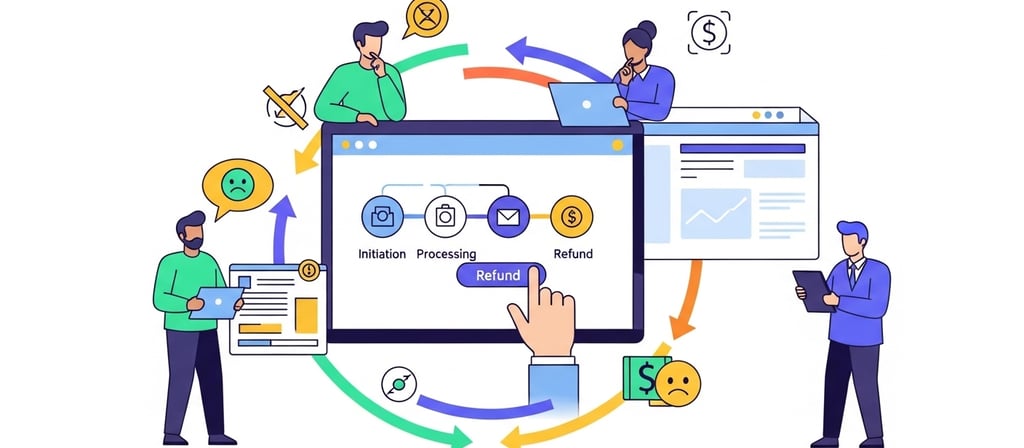
If an ACH payment fails, the bank does not just reject it silently.
Instead, it sends back a specific ACH return code.
This code explains exactly why the transaction failed.
If you handle payroll, direct deposits, billing, or online bank transfers, knowing these codes can save hours of confusion.
Here is the complete ACH return code list explained in simple language.
What Are ACH Return Codes
ACH return codes are short error labels used inside the Automated Clearing House network.
Each code starts with R followed by two numbers.
Example:
R01
R05
R10
R29
Each one represents a specific banking issue.
Most Common ACH Return Codes (Quick Reference)
Balance and Account Problems
R01 — Insufficient Funds
The account does not have enough money.
R02 — Account Closed
The receiving account is no longer active.
R03 — No Account / Unable To Locate
Account number does not exist.
R04 — Invalid Account Number Structure
Account format is incorrect.
Payment Authorization Issues
R05 — Unauthorized Debit to Consumer Account Using Corporate SEC Code
Wrong transaction classification used.
R07 — Authorization Revoked by Customer
Customer cancelled permission.
R10 — Customer Advises Unauthorized
Customer claims they never approved the charge.
R11 — Check Truncation Entry Return
Used when customer disputes check conversion.
Banking Status and Restrictions
R08 — Stop Payment Placed
Customer requested bank to block the transfer.
R09 — Uncollected Funds
Money exists but is not yet cleared.
R12 — Branch Sold to Another Bank
Account moved to a new institution.
R16 — Account Frozen
Bank placed restriction on account.
Administrative and Technical Errors
R13 — Invalid ACH Routing Number
R14 — Representative Payee Deceased
R15 — Beneficiary or Account Holder Deceased
R17 — File Record Edit Criteria
R18 — Improper Effective Entry Date
These often happen due to data entry mistakes or outdated records.
Less Common ACH Return Codes
Other return codes include:
R20 Non-transaction account
R23 Credit refused by receiver
R24 Duplicate entry
R29 Corporate customer advises unauthorized
R31 Permissible return entry
R33 Return of XCK entry
R37 Source document presented for payment
R51 Item related to RCK entry
These appear less frequently but still indicate specific transaction issues.
How Long ACH Returns Take
Most ACH returns happen within:
2 banking days for account problems
Up to 60 days for unauthorized transaction disputes
Businesses should monitor return notifications daily to avoid repeated failures.
What To Do When You Receive an ACH Return Code
Follow this simple process.
Step 1: Identify the return code
Step 2: Read the meaning
Step 3: Contact the customer or employee if needed
Step 4: Correct the account or authorization issue
Step 5: Retry the payment only after fixing the cause
Never retry blindly. Some codes can lead to compliance penalties if ignored.
Why Understanding ACH Return Codes Matters
Knowing ACH return codes helps you:
Fix payroll delays quickly
Reduce failed direct deposits
Prevent chargebacks
Protect business cash flow
Avoid bank compliance issues
For businesses handling many payments, this knowledge is essential.
ACH return codes are not random banking jargon. They are a structured system designed to explain exactly why a payment failed. Once you understand the ACH return code list, you can troubleshoot payment problems faster and keep your transactions running smoothly.
If you regularly send or receive electronic payments, keeping this list bookmarked is a smart move.