ACH Return Code Meaning Explained: Full Guide to ACH Payment Errors
Learn what an ACH return code means, why ACH payments fail, and how to fix common ACH return errors quickly. Simple guide for payroll, direct deposit, and bank transfers.
Abram Pandey
2/16/20262 min read
If you send or receive money through direct deposit, payroll, or bank transfer, you may see something called an ACH return code.
This small code explains why a payment failed.
Understanding ACH return codes can help you fix payment problems faster, avoid bank fees, and prevent future rejected transactions.
Let’s break it down in simple terms.
What Is an ACH Return Code
An ACH return code is a short label used by banks to explain why an electronic payment was rejected.
ACH stands for Automated Clearing House. It is the system used in the United States for:
Direct deposit
Payroll payments
Government benefits
Online bill pay
Bank to bank transfers
When something goes wrong, the receiving bank sends back the payment with a specific return code.
Each code starts with the letter R followed by numbers.
Example:
R01
R03
R07
R10
Each one means a different issue.
Why ACH Payments Get Returned
ACH payments usually fail for one of these reasons.
1. Not Enough Money
The account does not have enough balance to complete the payment.
This is one of the most common problems.
2. Wrong Bank Account Details
If the account number or routing number is incorrect, the bank rejects the transfer.
Even one wrong digit can cause failure.
3. Account Closed or Frozen
If the receiving account is closed, inactive, or restricted, the payment cannot go through.
4. Unauthorized Transaction
Sometimes the account holder reports that they did not approve the charge.
In this case, the payment is returned with an authorization related code.
How ACH Return Codes Work
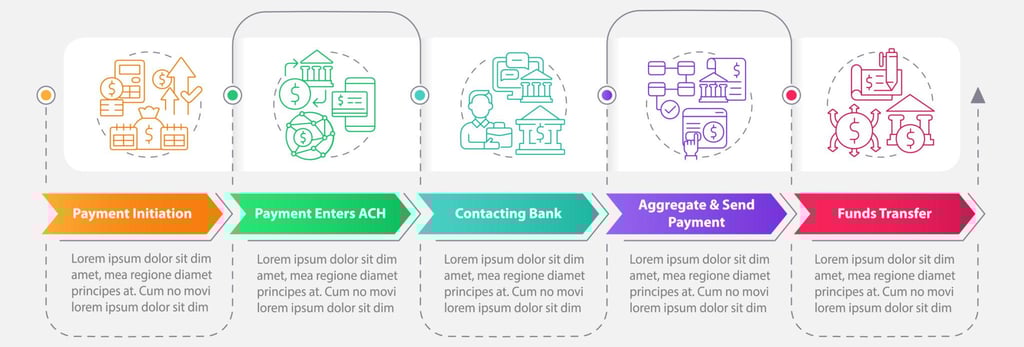
Here is the simple process:
A payment is sent through the ACH network
The receiving bank checks the account
If something is wrong, the bank rejects it
The system assigns a return code
The money goes back to the sender
Most ACH returns happen within 2 banking days, though authorization disputes can take longer.
Examples of Common ACH Return Codes
Here are a few frequently seen codes.
R01 → Insufficient funds
R02 → Account closed
R03 → No account found
R07 → Authorization revoked
R10 → Customer says transaction was unauthorized
Each code helps identify the exact problem.
How to Fix an ACH Return Problem
The solution depends on the code.
If balance was too low
Ask the payer to fund the account and retry.
If account details were wrong
Verify routing number and account number.
If authorization issue happened
Get written permission before retrying.
If account closed
Request a new payment method.
How Businesses Can Prevent ACH Returns
To reduce failed payments:
Double check bank details before sending money
Use account verification tools
Keep signed authorization forms
Notify customers before charging
Monitor repeat return codes
Preventing ACH failures saves time and protects cash flow.
Final Thoughts
ACH return codes are not random bank errors.
They are precise signals telling you exactly why a payment failed.
Once you understand what each code means, fixing payroll issues, direct deposit delays, or billing problems becomes much easier.
If you work with online payments, knowing ACH return codes is essential.