ACH Return Codes Explained: Full List, Meanings, and Fixes
Learn what ACH return codes mean, why payments fail, and how to fix them. Simple guide for businesses, freelancers, and customers handling ACH transactions.
2/22/20265 min read
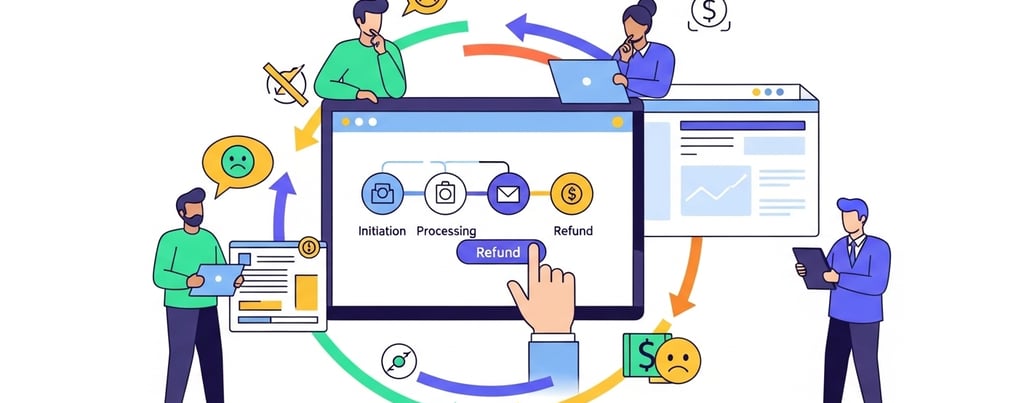
If you send or receive bank payments in the United States, you will eventually see an ACH return code. These short codes look technical, but they simply explain why a bank transfer failed.
Understanding ACH return codes helps businesses avoid lost payments, reduce chargebacks, and fix banking errors quickly. This guide explains what ACH return codes are, the most common ones, and how to resolve them.
What Is an ACH Return Code
An ACH return code is a message from the banking system that tells you why an Automated Clearing House payment could not be completed.
ACH payments include:
Direct deposit salaries
Subscription billing
Online bill payments
Vendor transfers
Refund processing
When something goes wrong, the receiving bank sends back a specific return code.
Think of it as a banking error explanation.
Why ACH Payments Get Returned
ACH transfers usually fail for simple reasons:
Insufficient funds
Closed bank account
Incorrect account number
Unauthorized transaction
Stop payment request
Frozen or restricted account
The return code identifies the exact issue.
Most Common ACH Return Codes (Simple Explanation)
R01 — Insufficient Funds
The customer’s account does not have enough money.
Fix: Retry payment after notifying the customer.
R02 — Account Closed
The bank account is no longer active.
Fix: Request new banking details from the customer.
R03 — No Account / Unable to Locate
The account number does not exist.
Fix: Verify routing and account numbers.
R04 — Invalid Account Number
The account format is incorrect.
Fix: Ask the customer to confirm banking information.
R05 — Unauthorized Debit to Consumer Account
The customer claims they did not approve the transaction.
Fix: Stop billing immediately and obtain written authorization.
R07 — Authorization Revoked
The customer previously approved but later canceled authorization.
Fix: Do not attempt further withdrawals without new permission.
R08 — Stop Payment
The customer requested the bank block this transaction.
Fix: Contact the customer before retrying.
R09 — Uncollected Funds
Funds exist but are not yet cleared.
Fix: Retry after a few days.
R10 — Customer Advises Unauthorized
The customer disputes the transaction as fraud.
Fix: Treat as high risk. Do not retry without proof of authorization.
R29 — Corporate Customer Advises Not Authorized
A business account reports the payment was not approved.
Fix: Obtain company authorization before retrying.
ACH Return Time Limits
Return timing matters.
Insufficient funds returns usually happen within 2 banking days
Unauthorized claims may be filed for up to 60 days
Administrative errors are typically returned within 2–3 days
Businesses should monitor failed payments daily to respond quickly.
How Businesses Can Reduce ACH Returns
Smart practices lower return rates significantly.
1. Verify bank details before first charge
Use micro-deposit verification or instant bank validation.
2. Send payment reminders
Customers often forget upcoming debits.
3. Keep signed authorization records
This protects you from unauthorized disputes.
4. Monitor repeat failures
Multiple R01 or R09 returns often signal future payment problems.
Why ACH Return Codes Matter for Compliance
High ACH return rates can cause serious issues:
Payment processor warnings
Account monitoring programs
Higher transaction fees
Possible account termination
Banks typically expect:
Unauthorized returns below about 0.5%
Overall returns below about 15%
Keeping returns low protects your payment operations.
ACH Return Codes vs. ACH Reversals
It is important to understand that an ACH return is not exactly the same as an ACH reversal. An ACH return happens when a bank sends a payment back because the transaction could not be completed or was rejected for a specific reason.
An ACH reversal, on the other hand, is used to correct certain errors in a payment that was already processed. For example, a business may accidentally send the wrong amount, make a duplicate payment, or use an incorrect account.
This distinction matters because the steps required to resolve each situation can be different.
If you receive an ACH return, start by checking the return code. The code usually gives you the first clue about what happened and what action should be taken.
What Businesses Should Do After an ACH Return
When an ACH payment is returned, businesses should avoid immediately sending the same transaction again. The correct response depends on the return reason.
Start by reviewing the customer or vendor's payment information. Check whether the account number, routing number, account status, and authorization information are correct.
For a return caused by insufficient funds, the business may be able to try the payment again under applicable ACH rules. However, repeated attempts without addressing the underlying issue can create additional returns and frustrate the customer.
For account-related returns, such as R02 or R03, contact the customer and request updated banking information. Never assume that changing one digit or guessing the correct account information will solve the problem.
For unauthorized transactions, the situation requires more care. Review the authorization records and determine whether you have valid permission to debit the account. If authorization cannot be established, it is generally better to stop the transaction rather than continue retrying it.
Keep ACH Authorization Records
Businesses that collect payments through ACH should maintain clear records showing that customers authorized the transactions.
Depending on the payment arrangement, records may include:
Customer name and account information
Date authorization was provided
Amount or payment terms
Authorization language
Payment schedule
Records of changes or cancellations
Confirmation or communication records
Good recordkeeping can make it much easier to investigate disputes and respond to questions from customers, banks, or payment processors.
Businesses should also make sure their authorization process clearly explains when money will be withdrawn and how often recurring payments will occur.
Watch for Patterns in Return Codes
One returned payment does not always indicate a serious problem. However, patterns can reveal issues with your payment process.
For example, frequent R01 returns may indicate that customers are regularly attempting payments without enough available funds. A large number of R03 or R04 returns could suggest problems with how bank information is being collected.
Repeated unauthorized returns may indicate that customers do not recognize the business name appearing on their bank statement or that the authorization process needs improvement.
Tracking return codes by customer, payment type, and time period can help identify these patterns.
A simple monthly report can show:
Total ACH transactions
Number of returned transactions
Return rate
Most common return codes
Repeat return customers
Dollar value of returned payments
This information can help businesses improve their payment process before small problems become larger ones.
How Customers Can Prevent ACH Returns
ACH return problems are not limited to businesses. Customers can also take simple steps to prevent failed payments.
Before scheduling an ACH payment, make sure the bank account has enough available funds. Customers should also keep their banking information updated when changing banks or closing accounts.
If a customer wants to stop a recurring payment, contacting the business is often useful in addition to speaking with the bank. This can help prevent future billing attempts and reduce confusion.
Customers should also review their bank statements regularly. Unexpected ACH transactions should be investigated quickly, especially when the payment is not recognized.
Final Checklist for ACH Payment Problems
When an ACH payment is returned, use a simple process:
Identify the ACH return code.
Understand the reason for the return.
Check the customer's or recipient's payment information.
Review the authorization records when necessary.
Contact the customer if updated information is required.
Follow applicable rules before attempting another debit.
Record the issue and resolution.
Monitor repeated returns for the same account.
Following these steps makes ACH payment problems much easier to manage.
ACH return codes may look confusing at first, but they are essentially a standardized way of explaining why a transaction did not go through. Once businesses become familiar with the most common codes, they can respond faster, reduce unnecessary payment attempts, and maintain a more reliable ACH payment process.
For companies that process large numbers of electronic payments, regularly reviewing ACH returns should be part of normal payment operations rather than something done only after a problem occurs.