Retro Pay Adjustment Meaning | Definition, Examples, and Payroll Process
Retro pay adjustment meaning explained. Learn what retroactive pay is, why it happens, how it’s calculated, and when you should expect payment.
FINAL PAY & JOB EXIT
Alex Morgan
1/25/20262 min read
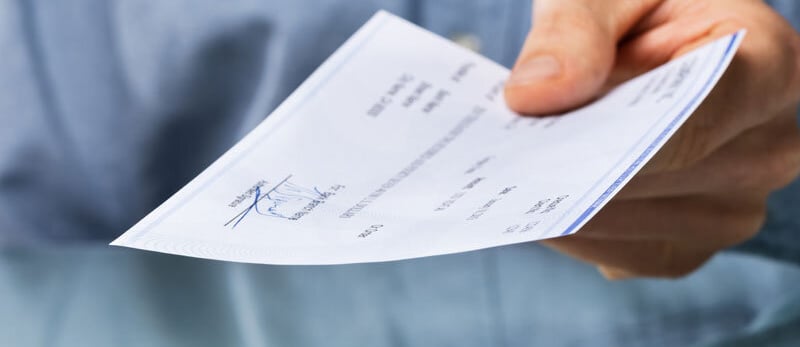
A retro pay adjustment is additional pay issued to an employee to correct underpaid wages from a previous pay period. It happens when you were paid less than what you were entitled to and the employer fixes the difference later.
Retro pay is short for retroactive pay, meaning pay applied backward.
What a Retro Pay Adjustment Includes
Retro pay usually covers the difference between what you were paid and what you should have been paid. This may include:
Hourly wage increases applied late
Salary corrections
Overtime miscalculations
Missed shift differentials
Contract or union rate updates
It does not usually include future wages.
Common Situations Where Retro Pay Happens
Late Pay Raise
If your raise was approved but not applied on time, retro pay covers the missing amount from the effective date.
Payroll Error
Mistakes in hours worked, overtime rates, or classifications can result in underpayment that requires correction.
Promotion Adjustment
When a promotion is effective earlier than payroll implementation, retro pay fills the gap.
Contract or Union Changes
New pay rates may apply retroactively once agreements are finalized.
Backdated Job Reclassification
If your role or pay grade is corrected after review, retro pay may be issued.
How a Retro Pay Adjustment Is Calculated
The basic formula is:
Correct Pay − Original Pay = Retro Pay Amount
For hourly employees, this is multiplied by hours worked.
For salaried employees, it is calculated based on pay periods affected.
Taxes and deductions are applied just like regular wages.
How Retro Pay Is Paid
Retro pay may be issued in one of these ways:
Added to your next paycheck
Paid as a separate payroll deposit
Included as a line item labeled “Retro Pay” or “Pay Adjustment”
Seeing a higher-than-usual paycheck is common when retro pay is included.
Is Retro Pay Taxed
Yes.
Retro pay is considered taxable income and is subject to federal, state, and payroll taxes. Because it is often paid in a lump sum, withholding may appear higher than usual.
How Long Does a Retro Pay Adjustment Take
Most retro pay adjustments are paid:
In the next payroll cycle
Within one to two pay periods
After payroll correction approval
Delays can happen if manual review or management approval is required.
What to Do If Your Retro Pay Is Missing
If you believe you are owed retro pay:
Review your pay stubs
Check effective dates on raises or changes
Contact payroll or HR
Request a written correction timeline
Keep documentation of pay changes
Retro pay is not optional once an underpayment is confirmed.
Retro Pay vs Back Pay
Retro Pay corrects payroll errors or late changes
Back Pay often results from legal claims or disputes
Both compensate for past underpayment, but they arise from different situations.
A retro pay adjustment means you are being paid for wages you should have received earlier. It is a standard payroll correction and usually a positive sign that an error was fixed.
Always review your pay stubs carefully. Catching mistakes early ensures you get paid accurately and on time.
Read More:
Final paycheck direct deposit delay explained