Laid Off Final Paycheck: When You Get Paid, What It Includes, and What to Do If It’s Late
If you were laid off, your final paycheck is a legal right. This guide explains when you should receive it, what it must include, state-by-state timing rules, and what steps to take if your employer delays payment.
FINAL PAY & JOB EXIT
Jordan Blake
1/14/20264 min read
What Is a Final Paycheck After a Layoff?
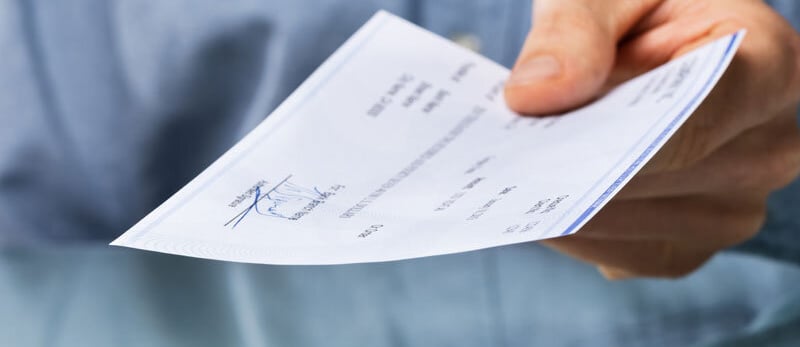
A final paycheck is the last payment your employer owes you after you’ve been laid off. Even though the job ended, your right to be paid does not end. Your employer must pay you for all work already performed.
What Must Be Included in a Final Paycheck?
Your final paycheck usually includes:
Unpaid wages up to your last working day
Overtime you already earned
Accrued but unused vacation or PTO (depends on state law)
Commissions or bonuses that were already earned
⚠️ Sick leave payout depends on state rules and company policy.
When Should You Receive Your Final Paycheck?
The timing depends on where you live and how the layoff happened.
Common Scenarios
Same day as layoff: Required in some states
Next regular payday: Common in many states
Within a set number of days: Some states allow 72 hours
There is no federal rule for exact timing. States decide this.
If You’re in the United States: Important Note
Most U.S. states require employers to issue a final paycheck promptly after termination, including layoffs. If they don’t, penalties may apply. If you’re unsure, check your state labor department website for exact deadlines.
Does Final Paycheck Include Severance Pay?
Not automatically.
Final paycheck = money you already earned
Severance pay = extra compensation, only if promised
Severance is paid only if:
It’s in your employment contract
Company policy promises it
You signed a severance agreement
How Is the Final Paycheck Paid?
Employers may pay your final paycheck by:
Direct deposit
Paper check
Payroll card
Some states require the same payment method you previously used.
What If Your Final Paycheck Is Late?
If your final paycheck hasn’t arrived on time:
Step 1: Contact HR or Payroll
Ask:
“When was my final paycheck processed, and how was it sent?”
Step 2: Check State Labor Laws
Know the deadline your employer must follow.
Step 3: File a Wage Claim
If delays continue, you can file a complaint with your state labor department.
In some states, employers must pay penalties for each day late.
Can an Employer Withhold a Final Paycheck?
No.
An employer cannot legally withhold your final paycheck because of:
Equipment not returned
Resignation vs layoff
Company losses
Performance issues
Wages already earned must be paid.
Taxes on Final Paychecks
Your final paycheck is taxed like regular income.
Bonuses or PTO payouts may be taxed at a higher withholding rate, but this does not mean you’re paying extra tax overall.
What About Unused Vacation and PTO?
One of the most common questions after a layoff is whether unused vacation time must be included in the final paycheck.
The answer depends largely on state law and the employer's policies.
Some states require employers to pay out certain accrued vacation or PTO when employment ends. Other states allow employers to follow a written company policy that determines whether unused time is paid.
This means you should not assume that unused PTO is automatically lost or automatically payable.
Check your employee handbook, PTO policy, and the laws in your state. If your employer has a written policy promising payment for accrued vacation, keep a copy of that policy.
What Happens to Commissions After a Layoff?
Employees who earn commissions may have additional questions about their final compensation.
A commission may still be owed if it was already earned before the employment relationship ended. However, the exact definition of an “earned” commission can depend on the employment agreement, commission plan, and applicable state law.
For example, a company may have rules explaining when a commission becomes earned, such as when a customer pays an invoice or when a sale is completed.
If you believe commissions are missing from your final payment, review your commission agreement and sales records.
Keep copies of:
Commission statements
Sales records
Customer orders
Employment agreements
Written commission policies
Emails discussing pending commissions
What If Your Employer Says the Layoff Means You Lose Your PTO?
A layoff does not automatically erase every form of compensation you have earned.
If your employer says unused vacation or another payment will not be paid, ask the company to explain the policy in writing.
Compare that explanation with the employee handbook and the law in your state.
If the employer's policy appears inconsistent with applicable wage rules, you may want to contact your state labor agency or an employment attorney for guidance.
What If Your Final Check Is Smaller Than Expected?
A final paycheck can sometimes look different from a normal paycheck.
Taxes, benefit deductions, overtime, PTO, commissions, and other adjustments may affect the amount.
Do not assume a smaller check automatically means wages were withheld illegally.
Instead, compare your final pay statement with your previous pay statements and calculate the wages you believe you were owed.
If something does not match, ask payroll for an itemized explanation.
Keep Your Layoff Documents
After a layoff, save all documents provided by your employer.
These may include:
Layoff notices
Final pay statements
Severance agreements
Benefits information
PTO records
Employment contracts
Commission plans
Emails from HR
These documents can be useful if there is later a disagreement about your final wages or benefits.
Final Takeaway
A layoff ends your employment, but it does not erase wages you already earned.
Your final paycheck may include unpaid regular wages, overtime, earned commissions, and potentially accrued vacation or PTO depending on the law and your employer's policy.
Severance is different from final wages and is generally based on a contract, company policy, or agreement rather than simply the fact that you were laid off.
If your final paycheck is missing or late, start by contacting payroll and asking for a clear explanation. Check the final pay deadline that applies in your state and keep copies of all communications.
If the employer refuses to pay wages that you believe are legally owed, consider filing a wage complaint with the appropriate state agency or speaking with an employment lawyer.
The key is to act promptly, keep your records, and separate earned wages from benefits or severance that may have different rules.
Read More:
Last paycheck missing overtime | What it means and how to recover pay